How Immigration and Women Engineered the Future of Britain
Engineering is, at its core, the art of solving problems. But to solve complex problems, you need a diversity of perspectives—people who look at the world differently because they have experienced it differently. Throughout history, some of the most profound leaps in British engineering and technology have been driven by people who weren’t born on its shores.
When you intersect the challenges of being a woman in a historically male-dominated field with the resilience required to be an immigrant, you find stories of extraordinary grit and innovation. Here are two remarkable women who crossed borders, defied expectations, and ultimately helped build modern Britain.
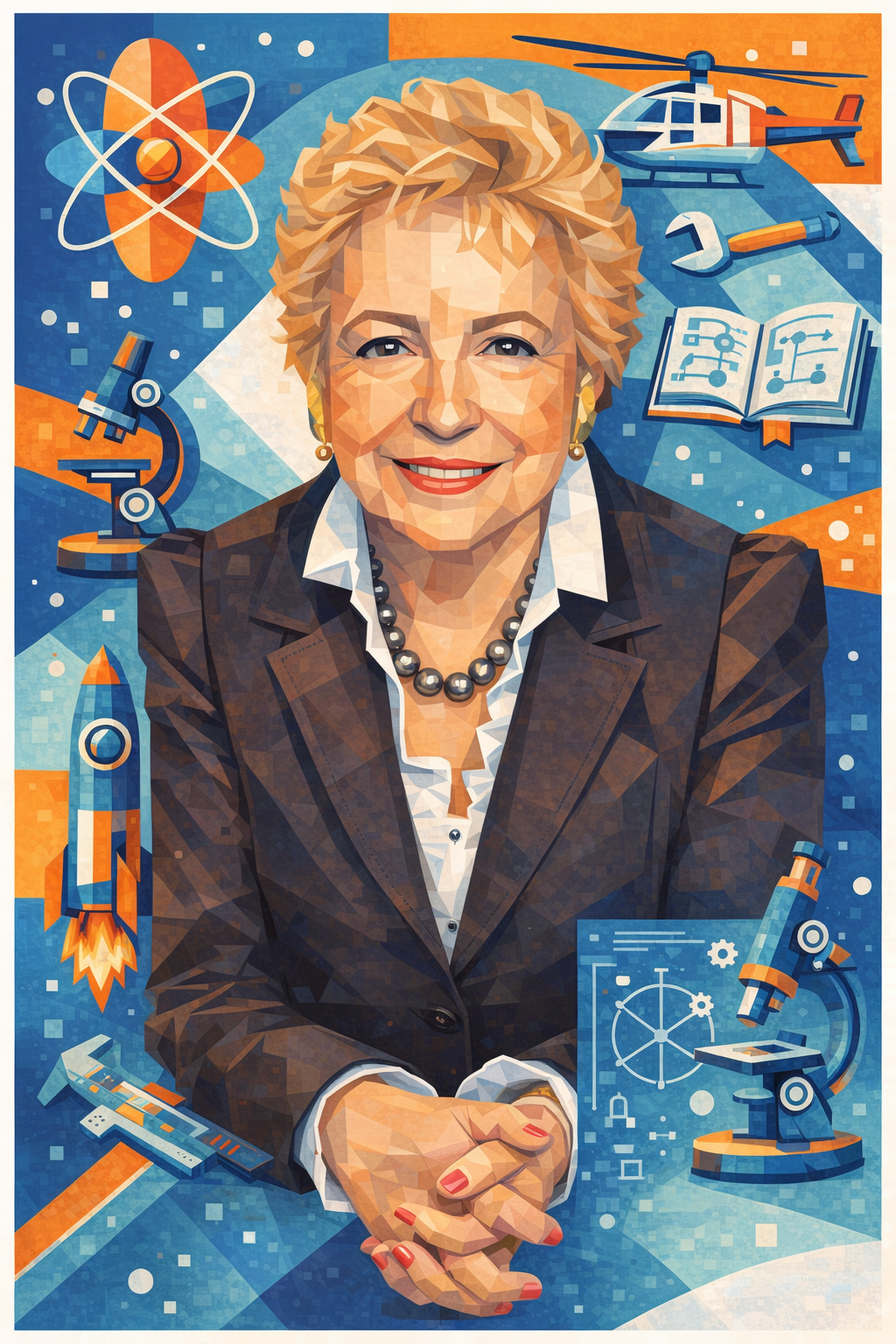
Dame Stephanie “Steve” Shirley: The Refugee Who Rewrote the Code
In 1939, a five-year-old girl arrived in Britain as an unaccompanied child refugee on the Kindertransport, escaping Nazi Germany. Determined to ensure hers was a "life worth saving," Stephanie Shirley developed a fierce drive that would eventually revolutionize the British technology sector.
Showing a natural aptitude for mathematics, she took evening classes at a local boys' grammar school because her own school didn't offer the subject. By the 1950s, she was working at the Post Office Research Station at Dollis Hill. There, she helped build computers and wrote code in machine language, working on early, massive systems like ERNIE (Electronic Random Number Indicator Equipment).
However, the tech industry was notoriously hostile to women; career progression often halted the moment a woman married or had children. Frustrated by the glass ceiling, Shirley founded her own software company, Freelance Programmers, in 1962 with just £6 of capital. To bypass the sexism of the era, she began signing her business letters as "Steve"—and suddenly, the doors that had been closed to a woman swung open for him.
Her company pioneered remote, flexible working long before it was the norm, specifically employing professionally qualified women who had caring responsibilities at home. By the time she retired, her all-female (until anti-discrimination laws changed) enterprise was valued at nearly $3 billion. She brought her unmatched resilience to Britain, and in return, she created immense wealth, thousands of jobs, and a blueprint for the modern tech workplace.
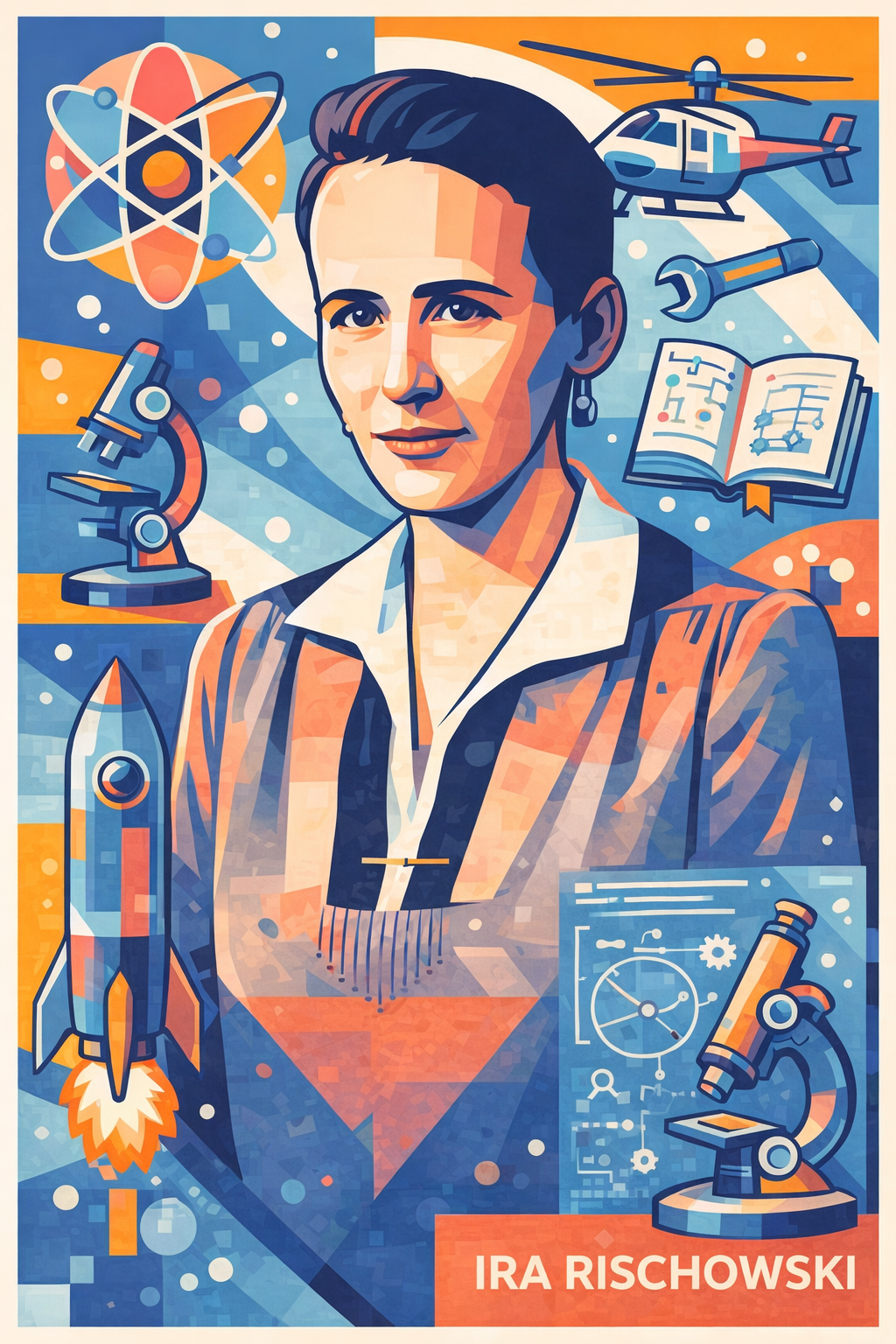
Ira Rischowski: The Engineering Advocate
Ira Rischowski’s journey to Britain was born of necessity, but her impact was driven by passion. In 1919, she became the first-ever female engineering student at the Technical University in Darmstadt, Germany. By the 1930s, however, her Jewish heritage and socialist politics made her a target for the Nazi regime.
To escape to the UK in 1936, Rischowski had to accept the only visa available to her: one for domestic servitude. She went from being a pioneering engineer to working unhappy, menial jobs just to survive.
But her engineering spirit couldn't be extinguished. She connected with the UK's Women’s Engineering Society (WES) in 1939. Once the war ended, her brilliant technical mind and organizational skills saw her swiftly rise through the ranks to the WES Council. She spent the next several decades fiercely advocating for British women in engineering, organizing international conferences, and ensuring that the door she had fought so hard to walk through remained open for the next generation of women in the UK.
The Innovation Advantage: Why Britain Benefits
The stories of women like Shirley and Rischowski highlight a universal truth about immigration, particularly in STEM (Science, Technology, Engineering, and Mathematics): it is a catalyst for progress. When a country welcomes immigrants, it gains several distinct engineering advantages:
Diverse Problem-Solving: Immigrants bring educational backgrounds and life experiences that challenge local orthodoxies. This "cognitive diversity" is exactly what is needed to break through engineering bottlenecks.
Exceptional Resilience: The act of uprooting one's life and navigating a new culture requires a high tolerance for risk and an incredible work ethic—traits that make for exceptional founders and innovators.
Global Networks: Immigrant engineers naturally bridge British industries with global markets, research, and talent pools, keeping the UK competitive on the world stage.
Britain provided a safe haven for these women when they needed it most. In return, they gave Britain their brilliance, challenged its societal norms, and built technologies and institutions that continue to thrive today. Their legacies prove that when we remove barriers—whether geographical or gendered—we all reap the rewards of what they build.
Empowering the Next Generation with STEMworks
The legacies of incredible engineers like Shirley and Rischowski serve as a powerful reminder that diversity is the true cornerstone of innovation. Today, the mission to break down barriers and champion women in STEM careers is more important than ever.
At STEMworks, we are dedicated to continuing this vital work. We strive every day to honor these pioneers by actively inspiring, educating, and empowering the next generation of diverse technical talent.
If you share our commitment to building a more inclusive future in engineering and technology, we would love to partner with you. Join us in shaping the innovators of tomorrow—book a STEMworks workshop for your school or organization today, and let's build a brighter future together.